Every project we run carries $2M in liability insurance and full WSIB coverage.
Services · Entry door replacement
Entry door replacement in Toronto, done in a day
Most doors run $1,500 to $4,500 installed
You know the door. The one you shove with your hip in January. The one with the draft you can feel from the couch, the lock that needs a wiggle and a prayer, the paint that peeled two winters ago and never got fixed. We measure it, price it against honest ranges, and manage the whole project, start to finish.
2 minutes. You hear back, usually within one business day.
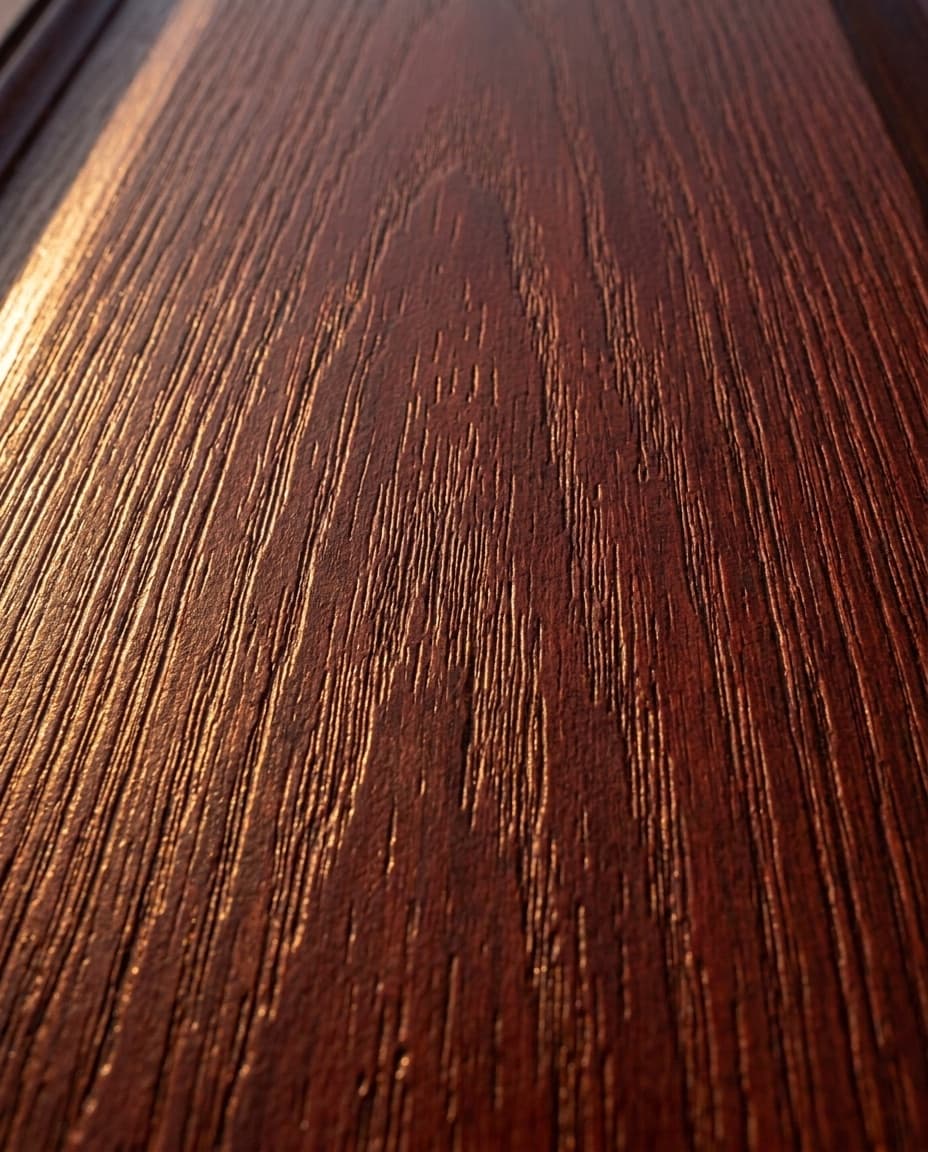
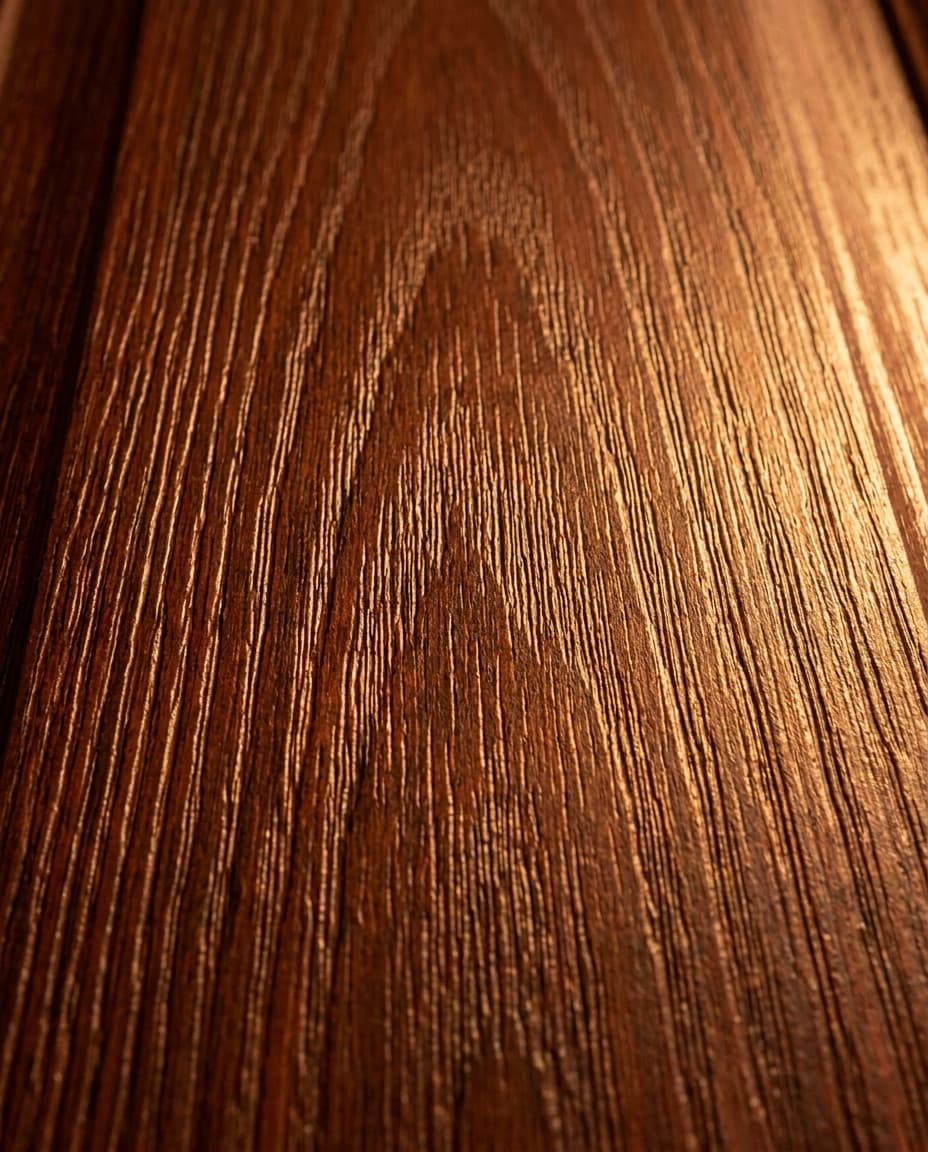
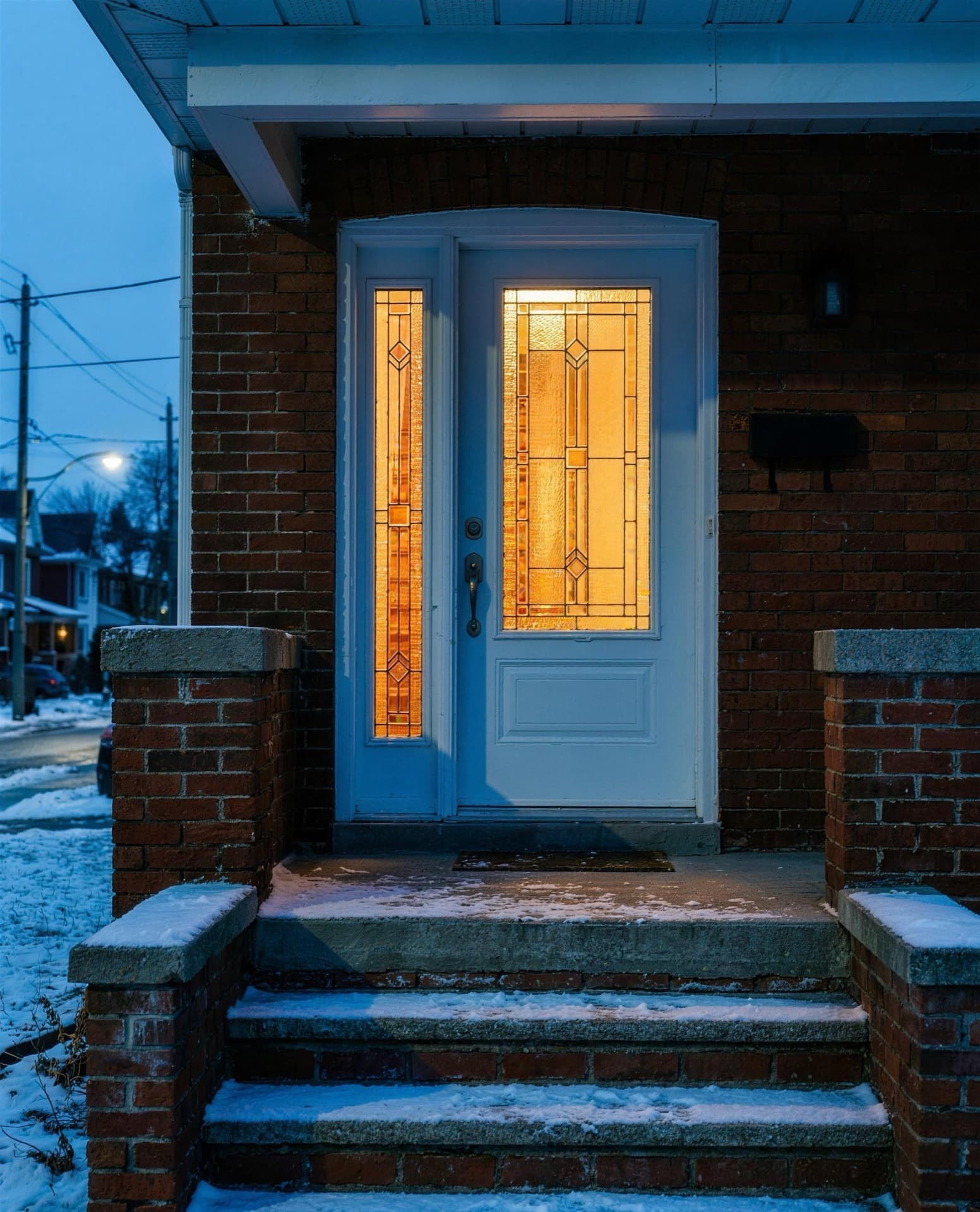
Fiberglass grain, up close
The texture that fools people from three feet away.
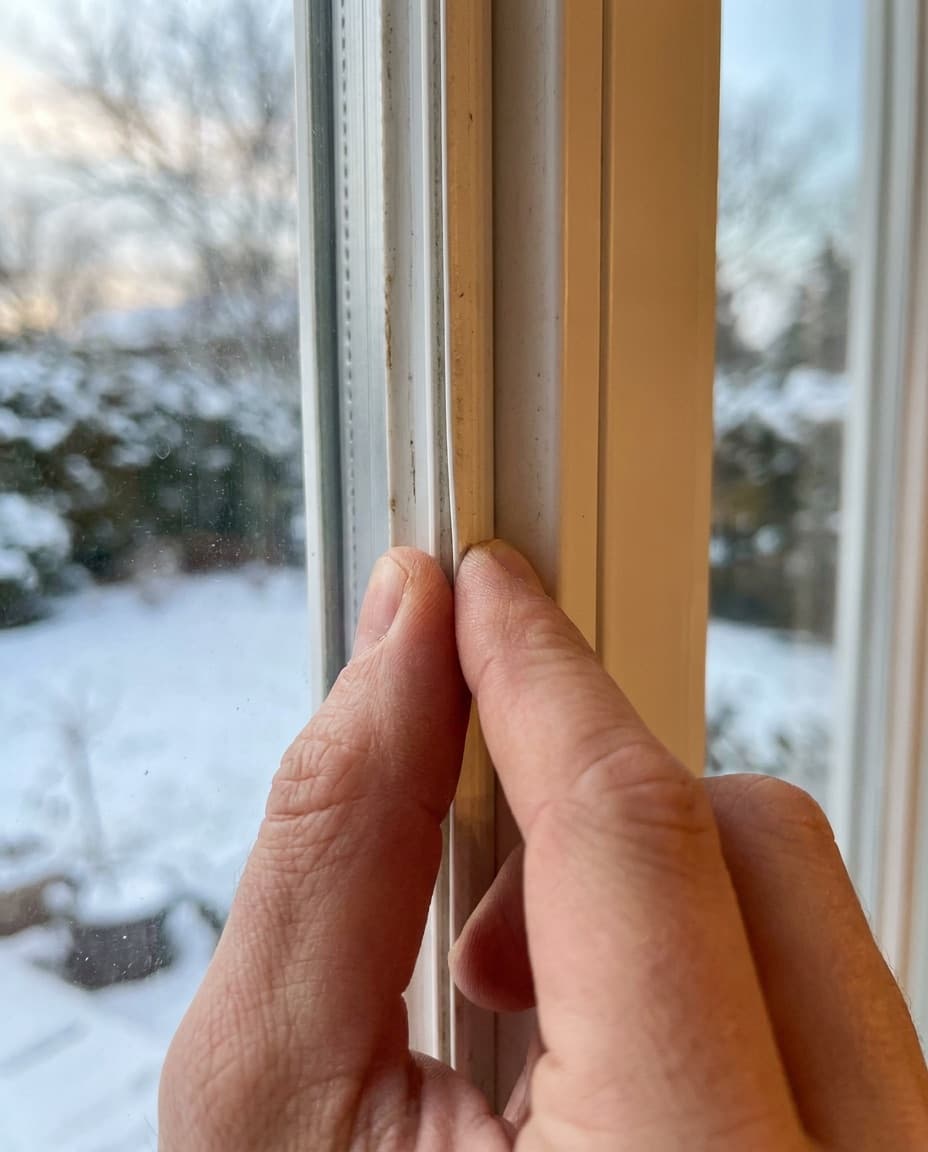
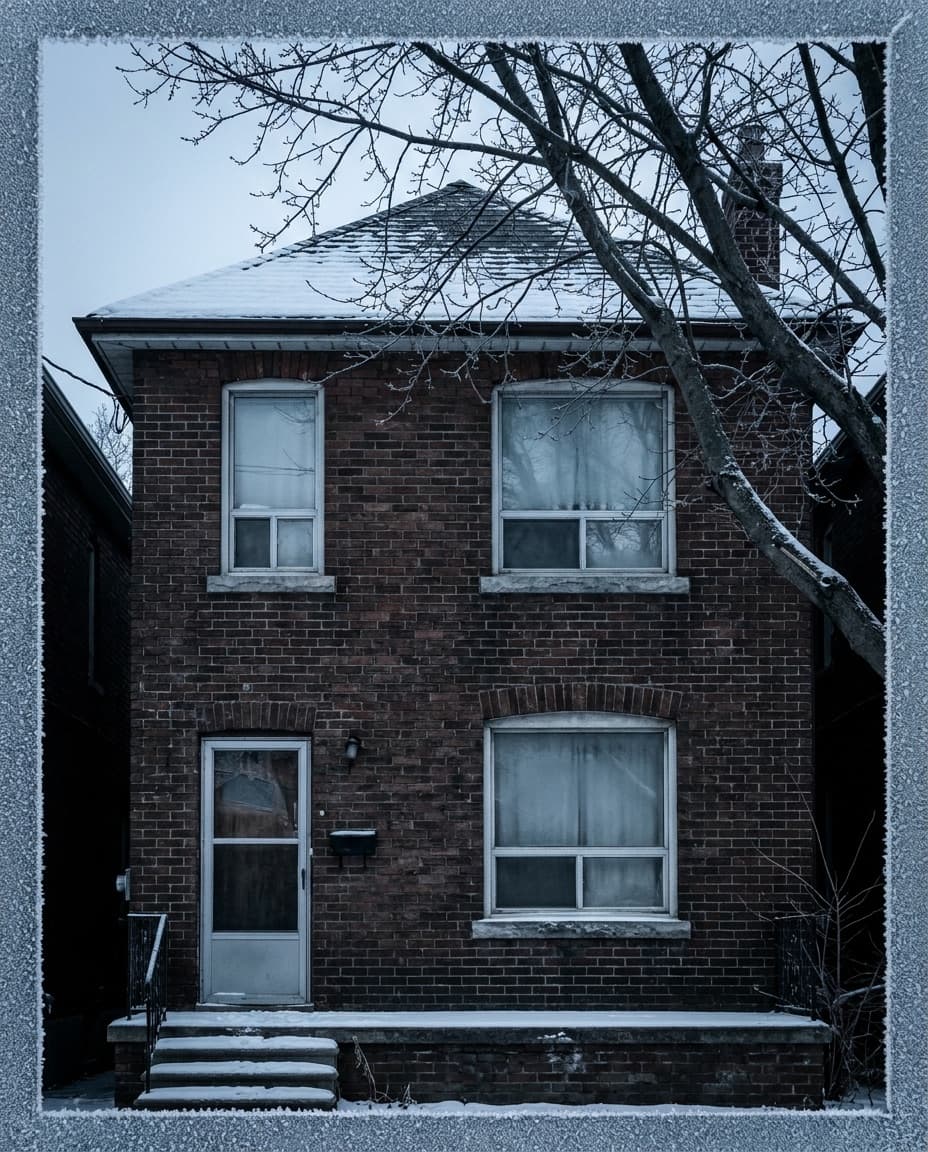
A seal that actually closes
Compression weatherstripping, checked on every install.
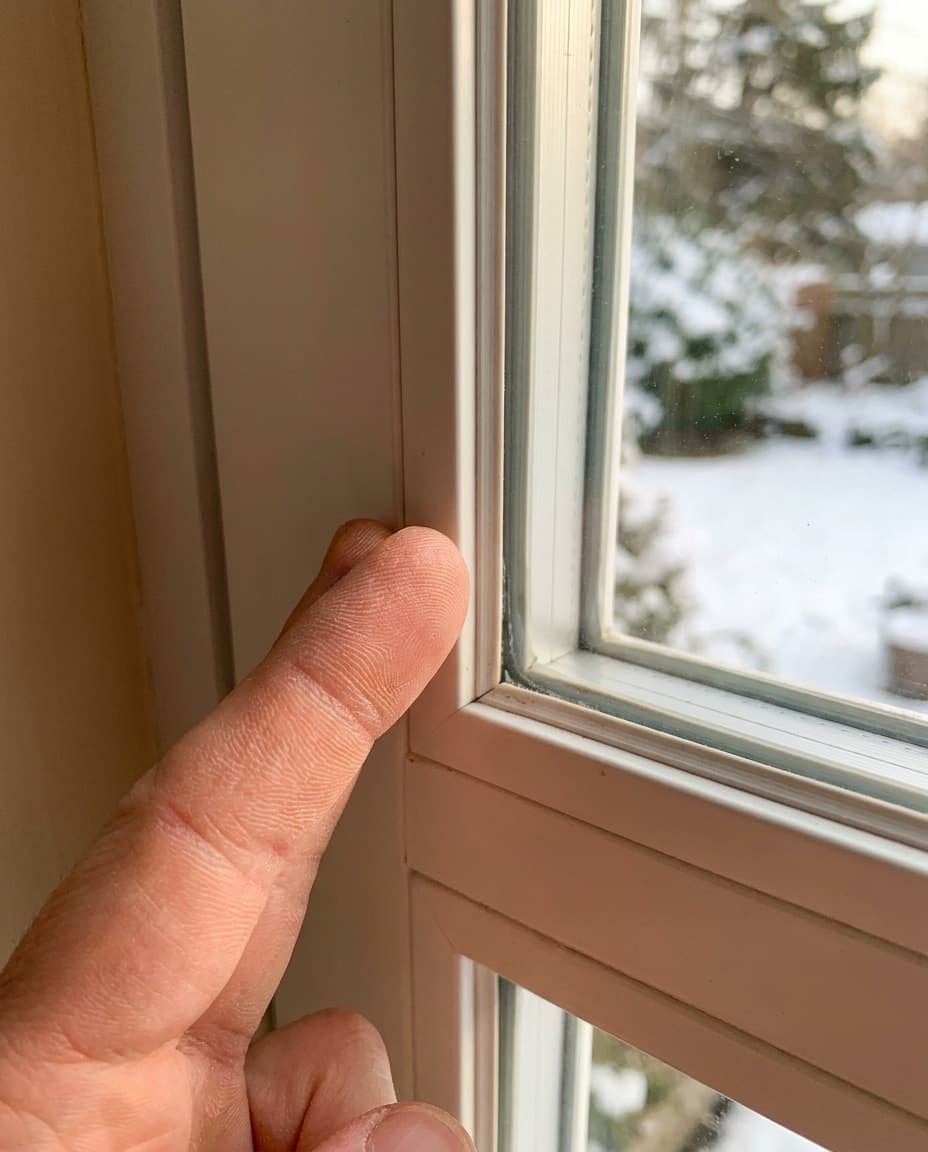
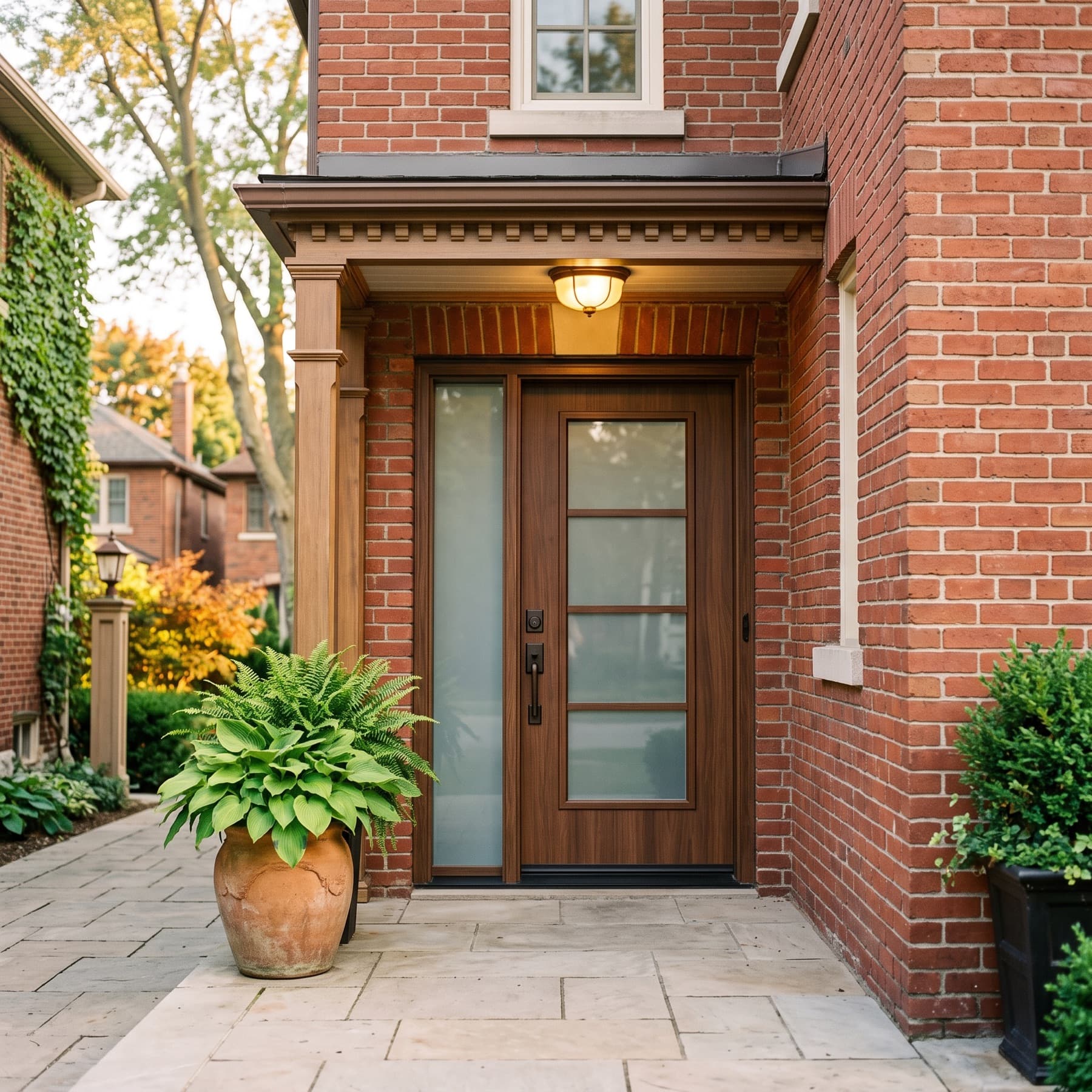
Squared, shimmed, tested
A hand checking the frame is true before hardware goes on.
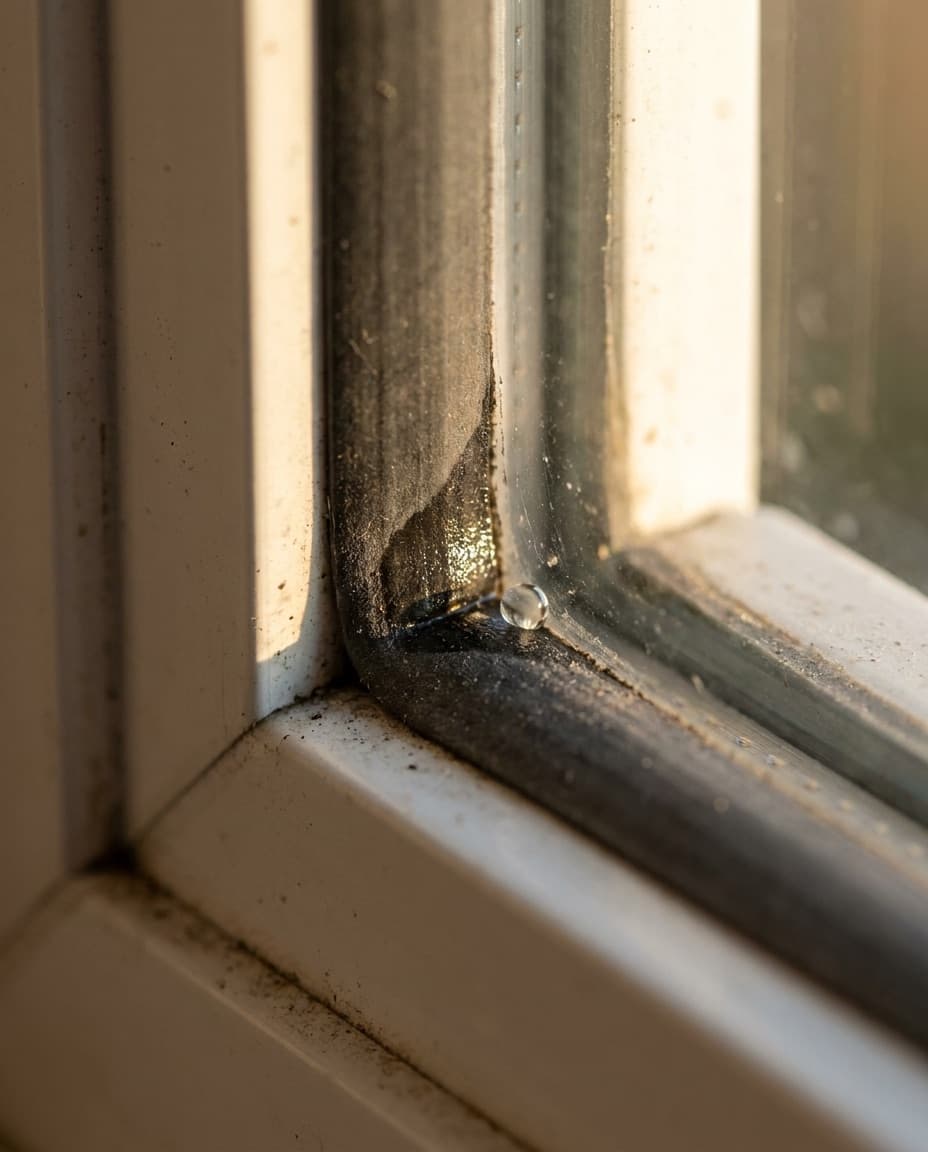
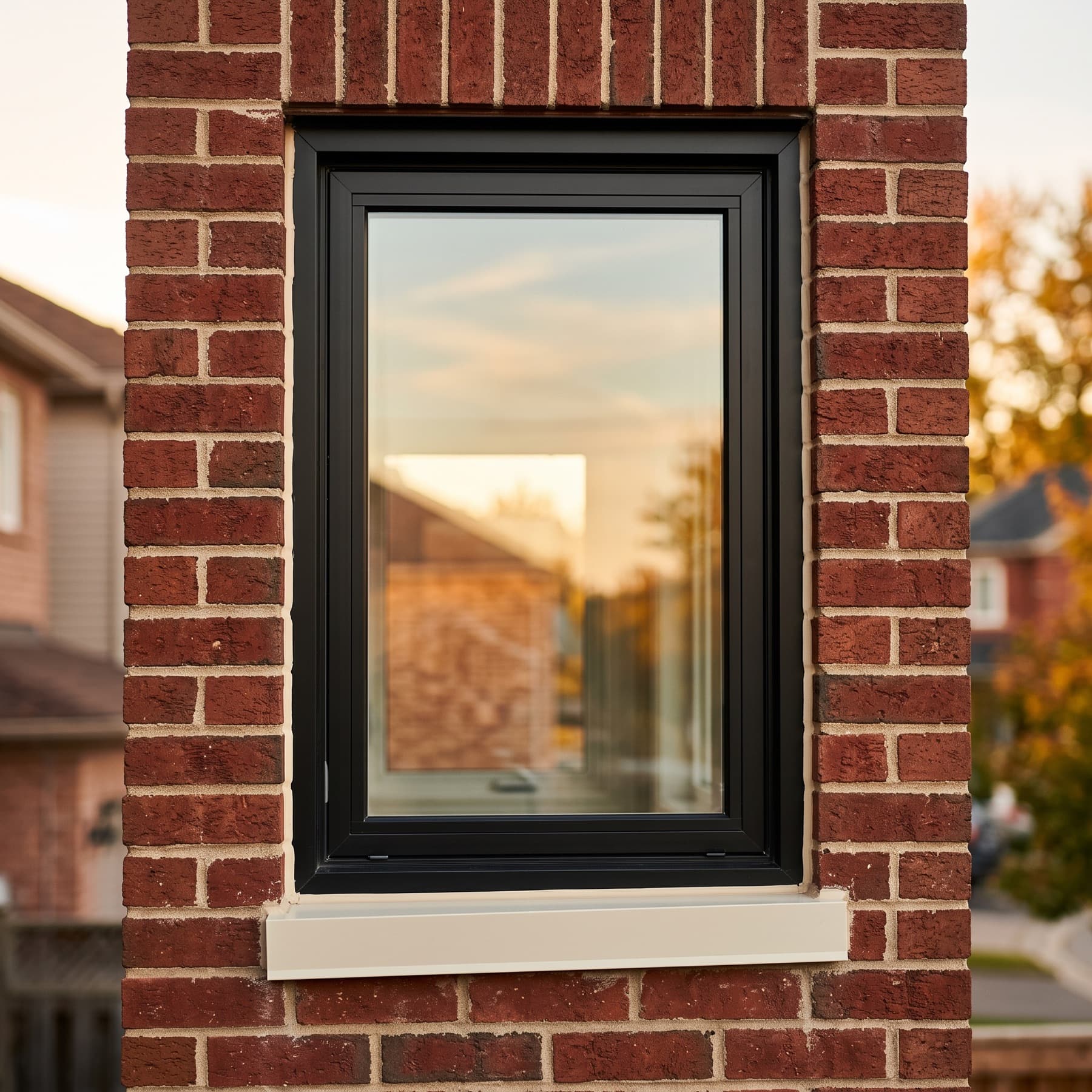
Glass that sheds water clean
Low-E coated glass, beading instead of fogging.
Money first
What entry door replacement costs in Toronto
This page covers what an entry door replacement costs in Toronto, which material to pick, what a good install actually involves, and the questions homeowners ask us most. Money first, because that is the first question everyone asks and most door companies make you sit through a sales pitch before they answer it.
For a standard single entry door, installed
Door type
Typical installed cost
Steel entry door
Best for budget, security, and rentals.
$1,200 to $2,800
Fiberglass entry door
Best for most homes; the best value long term.
$2,500 to $5,500
Solid wood entry door
Best for heritage homes and high-end curb appeal.
$3,500 to $10,000+
Single door with sidelights
Best for wider entryways and more light.
$3,500 to $8,000
Double entry doors
Best for grand entrances and wide openings.
$4,500 to $12,000+
These are typical market ranges for the Toronto area, not fixed prices. Your exact quote depends on your opening, your material, and your home. That is exactly why we measure in person before giving you a firm number.
What pushes the price up
A few things add real cost to a door replacement, and it helps to know them before quotes arrive:
Full frame replacement. If your frame is rotted, warped, or out of square, we replace the whole frame, not just the door. Add $500 to $1,500.
Enlarging the opening. Cutting brick or framing to fit a wider door or add sidelights is carpentry plus masonry. Add $1,000 to $3,000 or more.
Glass. Decorative glass inserts, transoms, and privacy glass raise the door price by $300 to $1,500 depending on size and design.
Hardware. A basic handleset runs $80 to $200. A multi-point locking system or smart lock runs $300 to $900.
Custom sizes. Toronto's older housing stock is full of openings that are not standard. A custom-sized door costs 20 to 50 percent more than a stock size.
Storm doors. Adding a storm door runs $400 to $1,200 installed.
What keeps the price down
Stock sizes instead of custom.
A steel or entry-level fiberglass door instead of wood.
Keeping your existing frame if it is sound.
Booking in the slower season, roughly November through February, when we sharpen pricing to keep crews working.
Want a real number for your specific door?
We measure your door in person and price it in writing, with no obligation.
7 signs you need entry door replacement, not another repair
Plenty of front doors get nursed along for years past their useful life. Here is how to tell the difference between a door that needs a $20 tube of weatherstripping and a door that needs to go.
01
You can feel a draft
Stand inside on a cold day and hold your hand near the edges of the closed door. If you feel moving air, heated air is leaking out 24 hours a day. A drafty entry door can waste real money every winter, and no amount of caulk fixes a warped slab or a frame that has shifted.
02
The door sticks, scrapes, or needs a shove
Doors that swell in summer and shrink in winter are telling you the material has absorbed moisture. Wood doors do this most. Once the slab is warped, planing the edge is a band-aid; the warp keeps moving.
03
You see rot, rust, or peeling
Soft spots at the bottom of a wood door, rust bubbling through a steel door, or a frame that crumbles when you press a screwdriver into it. Rot spreads. If the frame is going, replacement is the only honest fix.
04
Light shows around the edges
Turn off the hallway light at night and look at the closed door from inside. If you see daylight or streetlight around the edges, the seal is gone. Where light gets in, cold air and insects do too.
05
The lock does not inspire confidence
If your deadbolt only catches when you lift the handle just right, the door and frame are out of alignment. That is a security problem, not a quirk. A door that does not lock cleanly is a door a burglar can defeat quickly.
06
Condensation between glass panes
Fog or moisture trapped inside the glass insert means the seal has failed. The insulating gas is gone, and that glass is now a thermal hole in your entryway.
07
It just looks tired
This one is allowed to count. Your entry door is the handshake of your house. If it embarrasses you every time guests arrive, that alone is a reason. Door replacement is one of the highest-return exterior upgrades a homeowner can make, and you feel the difference every single day.
If you checked two or more of these, stop budgeting for repairs. Get a replacement quote and compare the numbers.
Scope check
Slab replacement vs. full frame replacement
When we talk about entry door replacement, we mean one of two jobs. Knowing the difference protects you from paying for the wrong one.
Slab or insert replacement. We keep your existing frame and hinge the new door into it. Faster, cheaper, less disruptive. Typical labour: $450 to $900 on top of the door itself.
Full frame replacement. We remove the door, the frame, the threshold, and often the trim, right down to the rough opening, then everything goes back new. The right call when there is rot, water damage, or you are changing the size of the opening. Typical labour: $900 to $2,000 or more.
We probe the frame during the measure visit and tell you which job you actually need. We quote the job your door needs, not the job that closes fastest.
The biggest decision
Steel vs fiberglass vs wood: choosing your entry door material
Material is the biggest decision you will make, and it drives cost, looks, maintenance, and lifespan. Here is the plain comparison.
01
Steel entry doors
Steel is the workhorse. A foam-core steel door insulates well, resists forced entry, and costs the least of the three. Modern steel doors come in dozens of embossed panel styles and any paint colour.
Cost installed: $1,200 to $2,800
Lifespan: 20 to 30 years with care
Strengths: Price, security, fire resistance, low upfront cost
Weaknesses: Dents stay dented, scratches can rust if ignored, conducts cold so the surface feels icy in winter, and south-facing steel doors can get hot enough in summer to stress the finish
Pick steel if budget and security top your list, or for a rental property where durability per dollar wins.
02
Fiberglass entry doors
Fiberglass is the sweet spot for most Toronto homes, and it is what we recommend for a family home more than any other material. It insulates better than wood or steel, never rusts or rots, will not warp with our freeze-thaw cycles, and the good ones carry woodgrain textures that fool people from three feet away.
Cost installed: $2,500 to $5,500
Lifespan: 30 to 50 years
Strengths: Best insulation, near-zero maintenance, handles Toronto weather swings, can be stained to mimic wood
Weaknesses: Costs more than steel; the cheapest fiberglass doors look plasticky, so quality matters
Pick fiberglass if you plan to stay in your home and want the lowest lifetime cost.
03
Solid wood entry doors
Nothing matches real wood for warmth and presence. On a Victorian in Cabbagetown or an Edwardian in the Annex, a solid mahogany or oak door looks like it grew there.
Cost installed: $3,500 to $10,000 or more
Lifespan: Decades, if maintained
Strengths: Beauty, heft, authenticity, can be planed and refinished
Weaknesses: Needs refinishing every 2 to 5 years, can warp and swell with moisture, highest price
Pick wood if the character of your home demands it and you accept the upkeep.
Quick comparison
FactorSteelFiberglassWood
Upfront costLowestMiddleHighest
InsulationGoodBestFair
MaintenanceLowLowestHigh
Toronto weatherGoodBestNeeds care
SecurityExcellentVery goodVery good
Curb appealGoodVery goodBest
Beyond material
Entry door styles and configurations
Beyond material, you choose how the doorway itself is built. This is where you can transform the front of your house, not just refresh it.
Single entry doors. The standard: one door, roughly 32 to 36 inches wide. The most affordable configuration and the right one for most Toronto semis and townhouses where the opening is fixed.
Single door with sidelights. Sidelights are the narrow glass panels beside the door. They pour daylight into a dark front hall and make a modest entry feel twice as wide. If your opening allows it, one or two sidelights are the single best upgrade for the money. Privacy glass keeps the light without giving passersby a view of your hallway.
Double entry doors. Two full doors that meet in the middle. Dramatic, practical for moving furniture, and suited to wider detached homes. Double doors need a wide rough opening, so on many houses this means enlarging the entry, which adds cost.
Transoms. A transom is the glass window above the door. Paired with sidelights, it creates a full “entrance system” that brightens the foyer and adds height to the facade.
Popular glass options
Clear glass: maximum light, minimum privacy
Frosted or textured glass: light in, sightlines out
Mini-blinds between glass: adjustable privacy with zero dusting
We will show you configuration options against a photo of your actual house, so you are not guessing from a catalogue.
A system, not a lock
Security: what actually keeps a door shut against force
In most break-ins, the burglar does not pick the lock. They kick the door, and the frame gives way at the strike plate. So real entry door security is a system, not a lock.
A solid or reinforced slab.
Foam-core steel and quality fiberglass doors resist kicks far better than a hollow or aged wood slab.
A reinforced strike plate with 3-inch screws.
The screws must bite into the wall stud, not just the frame. This one detail defeats most kick-in attempts and costs almost nothing during installation.
A Grade 1 or Grade 2 deadbolt.
The grade rating measures resistance to force. Ask us what grade we are fitting.
Multi-point locking.
Common on European-style doors, a multi-point system bolts the door to the frame at three or more points, top, middle, and bottom. It spreads any impact across the whole frame.
Security glass placement.
Glass within reach of the deadbolt should be laminated or positioned so breaking it does not let a hand reach the lock.
Smart locks.
Keypads and app-controlled deadbolts add convenience. They are only as strong as the deadbolt underneath, so buy the lock grade first and the electronics second.
When we quote the job, ask us to walk through the strike plate, the screws, and the deadbolt grade. The answer tells you a lot about how carefully we install.
40
Built for this climate
freeze-thaw cycles hit Toronto in a typical winter, and your entry door lives through every one of them. A door that seals is not a luxury here.
Comfort that pays back
Energy efficiency: what your old door costs you every winter
An old, leaky entry door is a hole in your home’s thermal envelope that you pay for on every gas and hydro bill.
A modern replacement door earns its keep three ways
01
The slab insulates. A polyurethane foam core in a steel or fiberglass door insulates several times better than a solid wood slab of the same thickness.
02
The seals seal. New compression weatherstripping, a proper door sweep, and an adjustable threshold close the gaps that let January into your hallway.
03
The glass performs. Double or triple-pane glass inserts with low-E coatings and argon fill keep heat in during winter and out during summer.
Look for the ENERGY STAR label
ENERGY STAR certified doors are independently tested for Canadian climate zones. If energy performance matters to you, and in this climate it should, make the certification a requirement, not a nice-to-have. It can also matter for rebates.
Rebates and financing
Government energy rebate programs in Ontario change often; programs open, close, and change their rules year to year. Some programs have covered exterior doors when they meet efficiency requirements, and financing options like interest-free energy retrofit loans have come and gone at the federal level.
The practical advice: before you sign, ask us what is active right now. We deal with these programs weekly and can tell you in two minutes whether your project qualifies for anything. If you are replacing energy efficient windows at the same time, bundled projects have historically qualified more often than single-door jobs.
How it works
From leaky door to done, in five steps
You do not need to become a door expert to get this right. One short form, one in-person measure, one written quote, and you decide from there. You pay us nothing, ever. Here is the process:
01
Tell us about your door
Fill out the quote request form. It takes about two minutes: your postal code, the type of door, roughly what is wrong with it, and how to reach you.
02
We measure, in person
We visit, measure your opening, check the frame for hidden rot, and talk through material and style options. In-person measurement is non-negotiable for a door; phone quotes for entry doors are guesses.
03
We price it
We give you a written quote for your actual door, in writing, with the scope spelled out: slab or full frame, hardware included or not, disposal of the old door, and the warranty terms. Our standard on every project: liability insurance, WSIB coverage, and a written warranty on both product and labour, confirmed before we ever ask you to sign.
04
You decide
No obligation. If the quote or the fit is not right, walk away. You paid nothing and you lost nothing but an hour.
05
We install it
Approve the quote and one team runs the whole job: your door built to those exact numbers, then install day, start to finish, insured and warrantied. If anything is not right, tell us and we make it right.
Why homeowners start here instead of Googling ten contractors
Fair question. Here is the honest case:
One quote, not a sales gauntlet. Submit your number to three big door websites and enjoy the follow-up calls for a month. With us, one team measures your door and prices your job.
Insured, warrantied, and it shows up before you sign. Our liability insurance, WSIB coverage, and warranty terms are confirmed before we ever price your job, not after you ask.
We know your housing stock. We work Toronto's older housing stock every week, from century semis to postwar bungalows. That is the difference between a quote that fits your opening and a guess.
We stand behind the install. If something is not right, you tell us and we make it right. That is the whole model, and it is why we get most of our work from repeat customers and referrals.
Timing
When is the best time to replace an entry door in Toronto?
Short answer: whenever your door fails you. We replace entry doors year-round here, including in winter.
The longer answer, if you have flexibility
Spring and fall offer mild temperatures and moderate demand. Pleasant, but book ahead.
Summer is peak season. We book out weeks in advance and pricing is firm.
Winter is the sleeper pick. A standard door swap leaves your entry open for well under an hour, and we work fast and seal as we go. Demand drops, our schedule opens up, and we price more keenly to keep crews working. If your current door is failing, do not white-knuckle it until spring for fear of a winter install. The install is fine. Living four more months with a leaky door is the real cost.
Installation day
What installation day looks like
Here is the typical timeline for a standard single entry door replacement, so you know what normal looks like:
Arrival and prep (30 minutes). We protect your floors, confirm the door and hardware against the order, and remove interior trim carefully if it is being reused.
Removal (30 to 60 minutes). Old door off the hinges, frame out if it is a full frame job, opening inspected and cleaned up.
Fitting and squaring (1 to 2 hours). The new frame or slab goes in, gets shimmed dead level and square, and we check the swing and the lock alignment repeatedly. This is the step that separates a good install from a bad one; a door installed one degree out of square will stick within a year.
Insulating and sealing (1 hour). Low-expansion foam around the frame, exterior caulking, threshold adjustment, weatherstripping check.
Hardware and finishing (1 hour). Handleset, deadbolt, strike plates with long screws, trim reinstalled or replaced, and a final walkthrough with you: open, close, lock, repeat.
Cleanup. The old door and debris leave with us. Disposal is included in your quote.
4-8
One day, in and out
hours for a standard entry door swap, from old door off to new door locking clean. Full frame jobs, sidelight additions, or masonry work can run 1 to 2 days.
One crew, one disruption
Doing windows and doors together
If your entry door is original to the house, your windows often are too, and they are leaking heat the same way. There is a practical case for bundling: one crew, one disruption, one warranty relationship, and we typically price a combined window and door replacement project better per-opening than separate jobs booked a year apart.
The same free quote covers both. If you are weighing new windows, whether vinyl windows, casements, or full replacement windows for the whole house, see our window installation Toronto page for costs and options. For other door types, including patio doors, back doors, and interior work, our door installation Toronto page covers the full range. And if the whole envelope needs attention, ask us to quote the window and door replacement as one project; the per-unit pricing usually improves.
Service areas
Where we work
We cover entry door replacement across Toronto and the GTA, including downtown, East York, North York, and York. Old Toronto housing stock, postwar Scarborough bungalows, and newer Mississauga builds all present different door openings, and we have seen your housing type before.
Live somewhere else in the GTA? Submit the quote form anyway. If we cover your area, you will hear back with a real number. If not, we will tell you straight instead of handing your info to whoever pays for it.
FAQ
Entry door replacement Toronto: FAQ
Straight answers on cost, timing, permits, and materials for entry door replacement in Toronto.
How much does it cost to replace a front door in Toronto?
Most Toronto homeowners pay between $1,500 and $4,500 for a front door replacement, installed. Steel doors sit at the low end, around $1,200 to $2,800. Fiberglass runs $2,500 to $5,500. Solid wood, sidelights, double doors, or full frame replacement push the total higher, sometimes past $10,000 for large custom entrance systems. Get a written quote before trusting any number, including these.
What is the average cost of a new entry door, door only?
For the door itself without installation: a stock steel slab runs about $400 to $900, a quality fiberglass door about $800 to $2,500, and a solid wood door $1,500 to $5,000 or more. Glass inserts, custom sizes, and premium hardware add to that. Remember that the door is usually only 50 to 70 percent of the project total; labour, frame work, and hardware make up the rest.
How much does it cost to remove and install a new exterior door?
Labour for removing the old door and installing a new one typically runs $450 to $900 in the Toronto area for a straightforward slab-in-existing-frame job. Full frame replacement labour runs $900 to $2,000 or more because it includes tearing out the old frame, rebuilding, insulating, and re-trimming. Complicated openings, masonry cutting, or second-storey balcony doors cost more.
How much does it cost to change the entrance door?
Same job, different words: changing your entrance door in Toronto typically costs $1,500 to $4,500 all-in for a standard single door. The two biggest swing factors are material (steel cheapest, wood dearest) and whether your existing frame can stay or must be replaced. An in-person measure settles both questions.
How much does Home Depot charge to install an exterior door?
Big-box installation fees for a standard exterior door generally start in the range of $450 to $800 for basic labour, on top of the door, hardware, and any frame repairs, and the final price comes after a paid or credited measurement visit. Big-box stores subcontract the actual work to local crews. Many homeowners compare a big-box quote against ours and find our quote equal or better, with a more direct warranty relationship since we manage the whole project ourselves. It costs nothing to compare; that is literally what our free quote is for.
What colour door means your house is paid off?
Red. An old tradition, usually traced to Scotland, says homeowners paint the front door red when the mortgage is fully paid. It is folklore rather than rule, but it persists, so if you order your new entry door in red, expect at least one neighbour to ask about your mortgage.
Can an entry door be replaced in winter?
Yes. We replace doors year-round in Toronto. A standard swap exposes the opening for under an hour, and winter scheduling is often easier and sometimes cheaper. Do not suffer through a fourth winter with a failing door to avoid a one-day winter install.
How long does entry door replacement take?
A standard single-door swap takes 4 to 8 hours. Full frame replacements, sidelight additions, or opening enlargements take 1 to 2 days. Custom doors add lead time before install day: typically 2 to 8 weeks for manufacturing, longer for fully custom wood doors.
Do I need a permit to replace my front door in Toronto?
For a like-for-like replacement in the same opening, generally no permit is needed. If you are enlarging the opening, cutting into structure or brick, or altering the building envelope beyond the existing frame, a permit may be required. We flag this during the measure visit and handle the paperwork when it applies. Rules can differ for heritage-designated properties, so mention it if your home has a heritage designation.
Should I repair or replace my entry door?
Repair when the problem is small and single: worn weatherstripping, a loose hinge, a dated handleset. Replace when problems stack up: drafts plus sticking, rot anywhere, fogged glass, a frame out of square, or a door past 25 to 30 years old. Repairs on a failing door are rent; replacement is ownership.
Get started
Ready to replace that drafty door?
You have read this far, which means the door has been bugging you for a while. Here is the two-minute version of what to do next.
Request your free quote. Tell us about your door. We measure in person and give you a written price. No cost to you, no obligation, and no ten-company sales gauntlet.
Worst case, you finally know exactly what the fix costs. Best case, by this time next month you walk up your steps, turn the key, and the door swings open clean and silent, and it is the best-looking thing on the block.
Free, no obligation
Get your free entry door quote
Tell us about your project and our team will follow up with pricing.
We carry $2M in liability insurance and full WSIB coverage on every job.