

Services · Patio door replacement
Patio Door Replacement Toronto
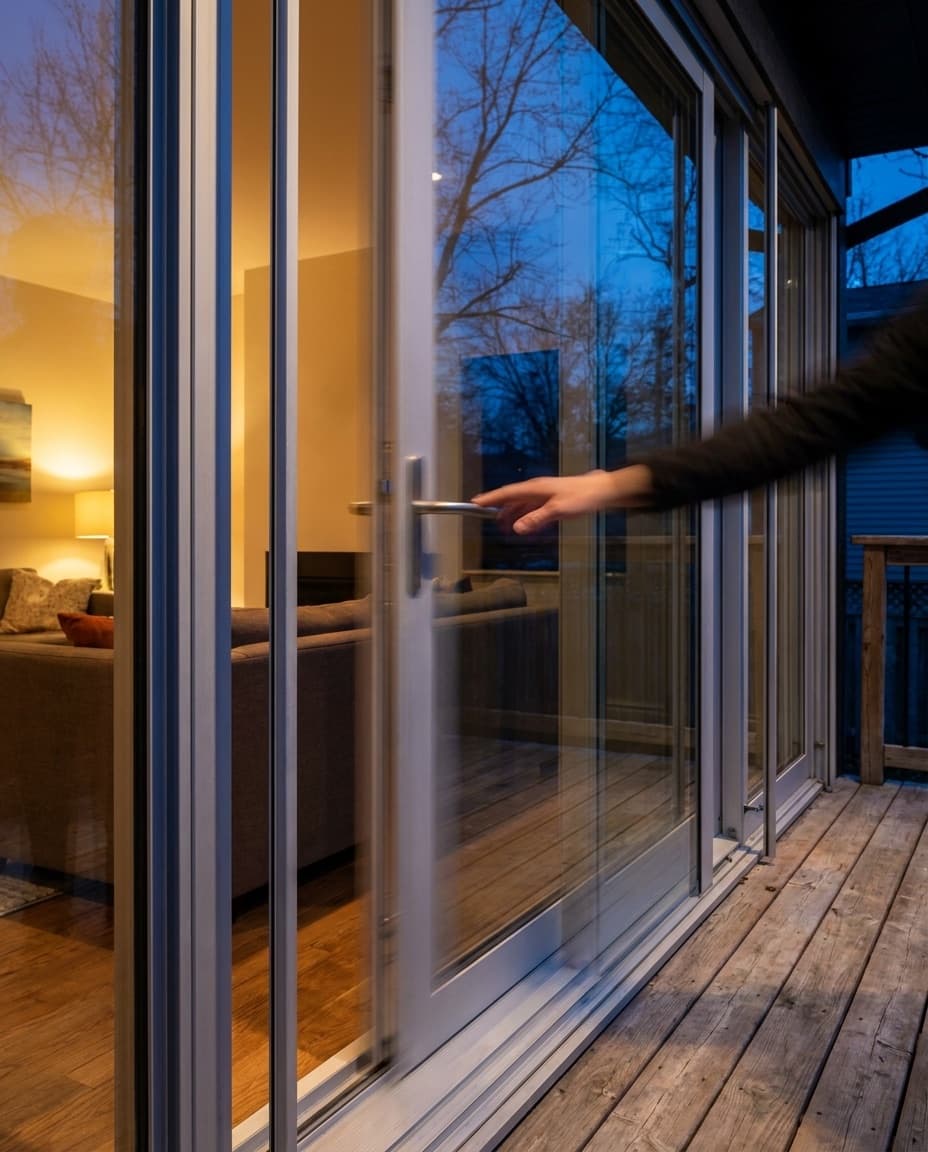
A patio door should open with one finger. It should let light pour into your kitchen, seal out the January wind, and lock with a solid click that makes the house feel safe. If yours drags on the track, fogs up between the panes, or breathes cold air across your floor, you feel it every single day.
You do not have to live with that. Tell us about your door once. We price it against the honest ranges on this page, and a licensed, insured local crew that replaces patio doors every week installs it end to end. One form, one written quote, no pressure.
A new door can be sliding in your wall within a few weeks.

Representative imagery
How it works
How Patio Door Replacement Works With Us
Three steps, no phone tag, no pressure.
01
Tell us about your door
The form takes about 2 minutes. Door type, rough size, how many openings, and what bugs you about the current one.
02
We price your door
Your opening gets measured in person and you get one written quote, priced against the honest ranges on this page. Every window and door contractor that prices a Drafty project installs patio doors as a core service, not a side job.
03
You compare and decide
Weigh the written quote against any other, on your schedule. You pick, or you walk away. The quote costs you nothing, and you are never locked in.
Before any window company or door contractor installs a Drafty project, we check the basics that protect you: valid business registration, liability insurance, WSIB coverage for the crew, and warranty terms in writing. If a crew stops meeting that bar, they stop installing with us. Simple as that.
Business registration
Valid business registration, checked before a single install.
Liability insurance
Proper liability insurance for work on your home.
WSIB coverage
WSIB coverage for the crew doing the work.
Warranty in writing
Warranty terms in writing, or they stop installing with us.

Representative imagery
The checklist
Signs Your Patio Door Needs to Be Replaced
Patio doors fail slowly, so most people adapt instead of noticing. Check your door against this list:
You lift, shove, or hip-check the door to move it.
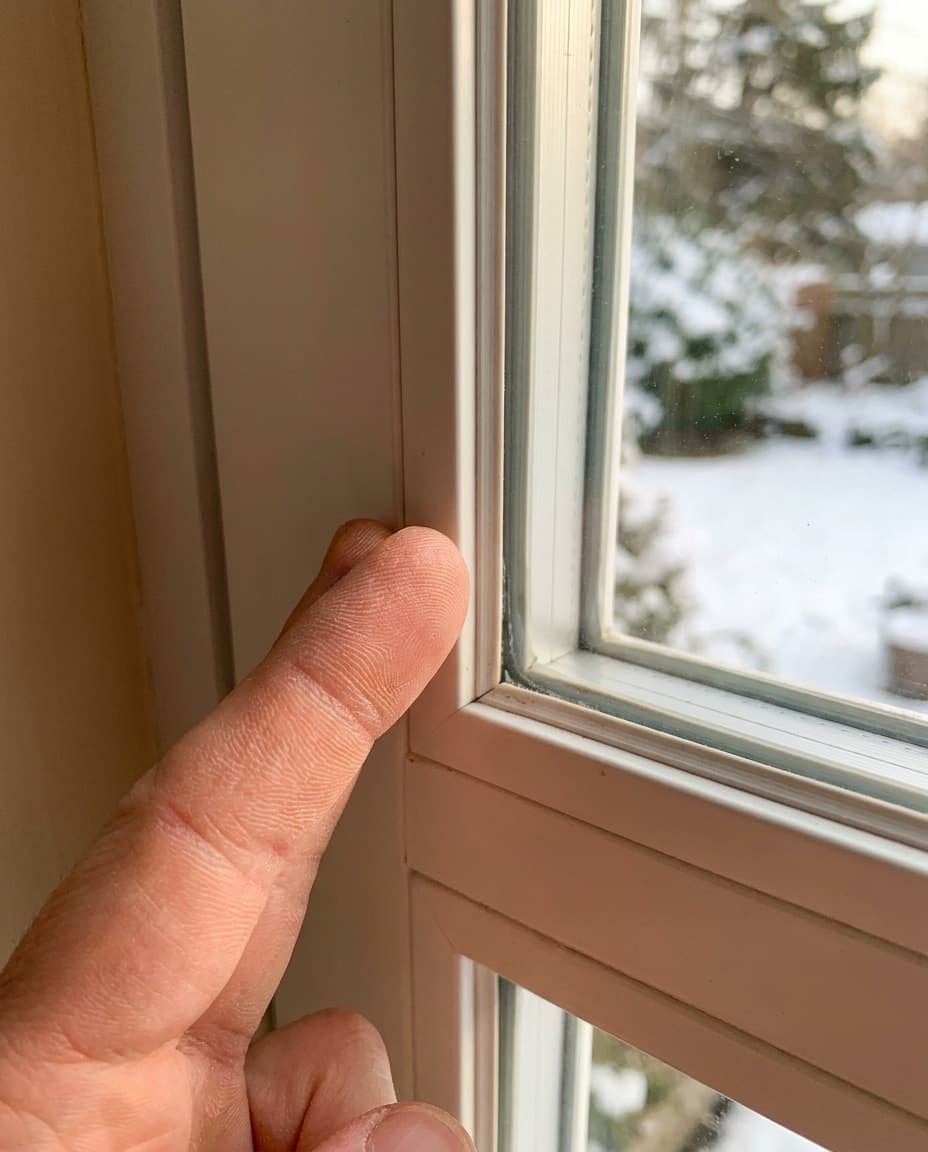
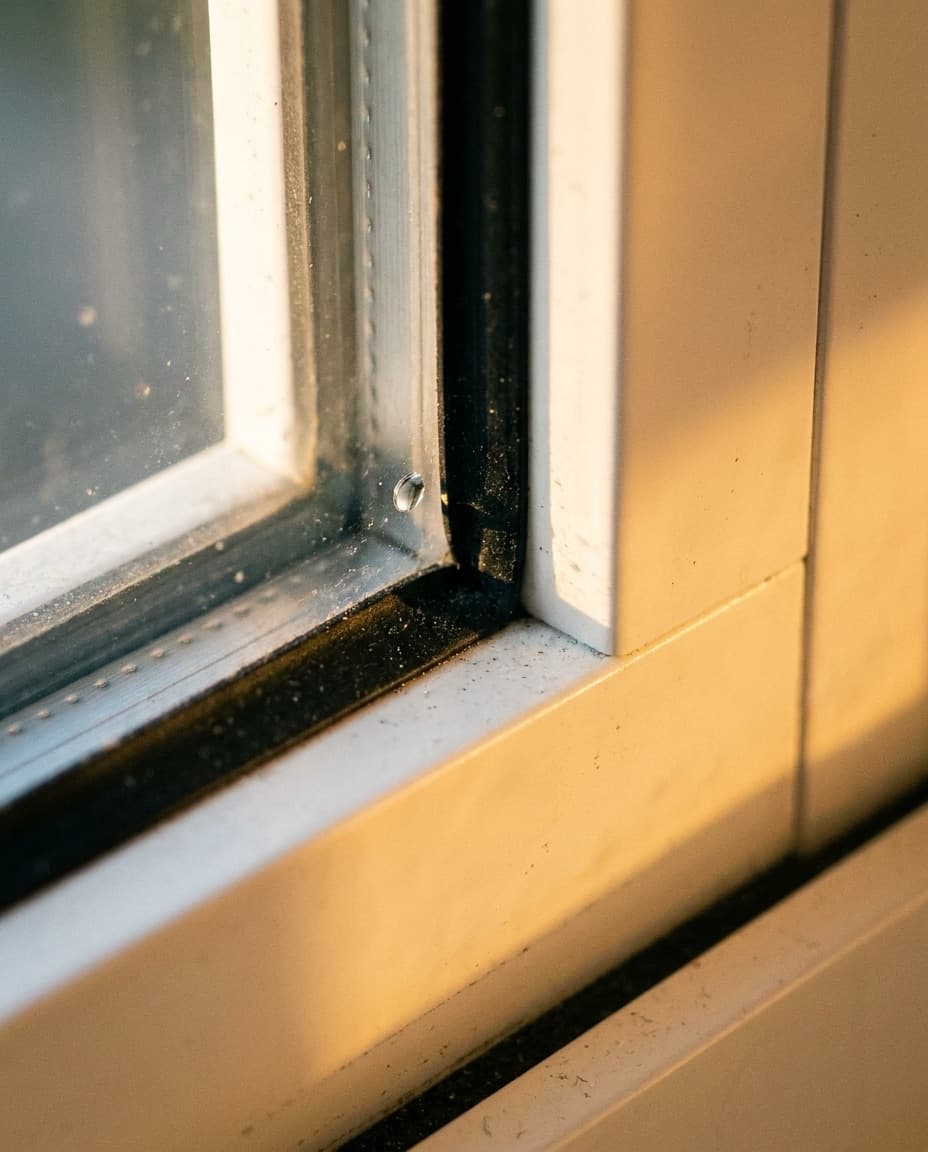
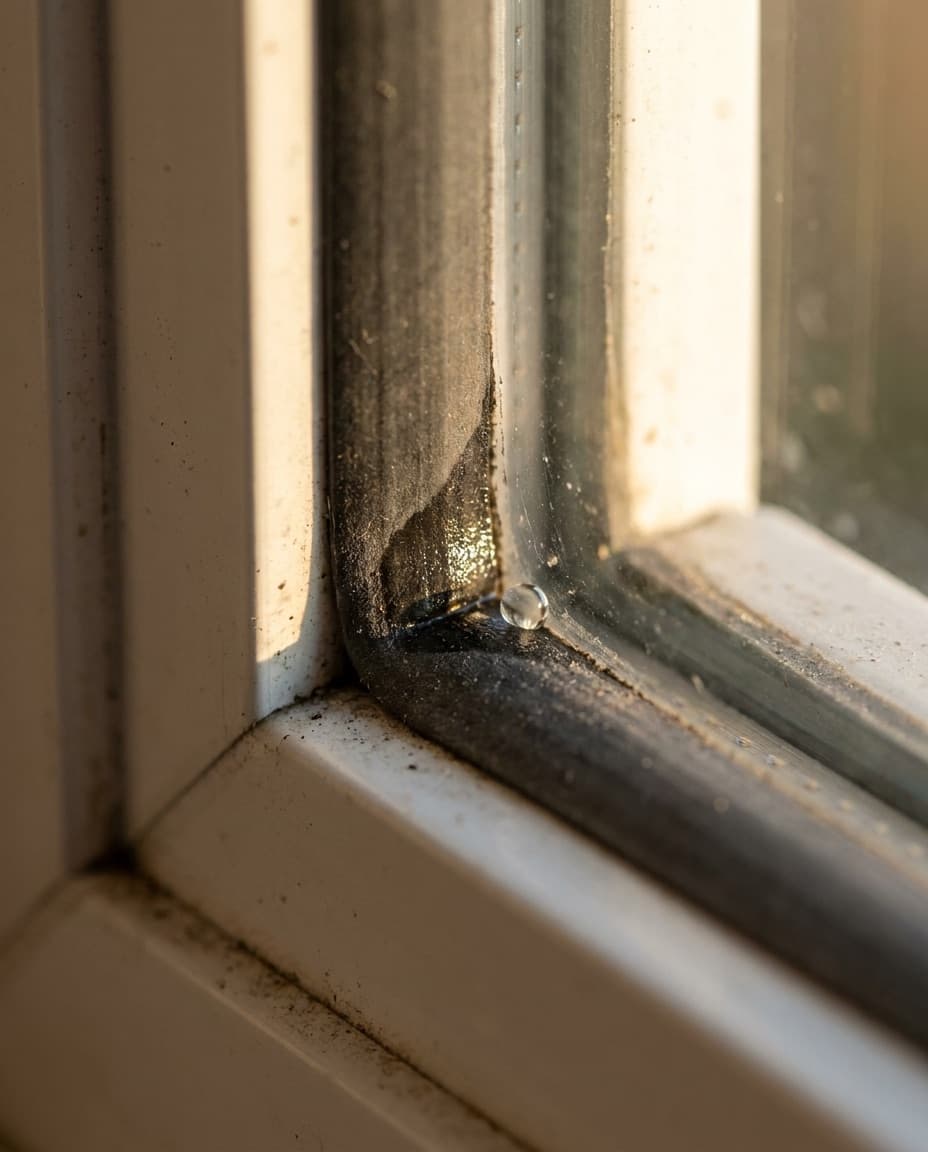
There is fog, haze, or moisture trapped between the glass panes.
You feel a draft near the door from a metre away in winter.
Water shows up on the floor inside after heavy rain.
Frost or heavy condensation forms on the inside of the frame in January.
The lock does not line up, or you need to pull the door to latch it.
The frame is warped, cracked, soft, or shows rot at the corners.
Your heating bill keeps climbing and the room by the door is always the cold one.
Two or more of those, and you are past the repair stage for most doors. That trapped fog matters most. It means the sealed glass unit has failed, and the insulating gas that kept heat inside is gone.
The door still looks like a door. It just stopped doing its job.
Scope check
Repair or Replace?
Fair question, and a good installer answers it honestly.
Repair makes sense
Repair makes sense when the door is under about 10 years old and one small part failed. New rollers, a new handle, or a track cleaning runs roughly $150 to $400 as a service call. That can buy a decent door several more good years.
Replacement makes sense
Replacement makes sense when the glass seal has failed, the frame is damaged, the door is 15 to 20 years old, or repair quotes creep past a third of the cost of a new unit. Everything in an old door ages together. Fix the rollers this year and the sealed glass fails the next.
Old single-pane aluminum sliders from the 1980s are an easy call: replace, every time. They leak heat like an open window.
Five styles
Types of Patio Doors Toronto Homeowners Choose
The right style depends on your space, your budget, and how you use the opening. Here are the five styles installers quote most in Toronto.
01
Sliding patio doors
The classic slider is still the most popular patio door in the city, and for good reason. Panels glide sideways on rollers, so the door needs zero swing space. That keeps furniture, dining tables, and deck chairs exactly where you want them. You get the biggest glass area per dollar of any style, which means more light in the room. Modern vinyl sliders with tandem steel rollers move smoothly for decades. If your current door is a slider and you like it, a new slider is usually the best value swap.
02
French patio doors
Two hinged panels that swing open from the middle. French doors give you a wide, clear walkout and a classic look that suits older Toronto houses, from Riverdale semis to Etobicoke bungalows. The trade-off is swing space. You need a clear arc inside or outside for the panels. They also carry more hardware, so they cost more than a slider of the same width.
03
Garden doors
A garden door pairs one fixed glass panel with one hinged panel. You get the look of French doors with half the swing space and a tighter seal, since only one panel moves. This style is everywhere in Toronto backsplits and bungalows, and it is a strong choice when your deck or interior is tight.
04
Tilt and slide doors
European-style hardware lets the panel tilt open at the top for ventilation, then slide fully open when you want the walkout. When closed, the panel presses into the frame gaskets, which gives one of the tightest seals of any patio door. Good for exposed, windy sites and for bedrooms above a walkout. Priced above a standard slider.
05
Folding and bifold doors
Multiple panels fold and stack to one side, opening most of the wall. Nothing beats them for indoor-outdoor living on a big deck. They are also the most expensive style, and each extra panel adds cost and hardware to maintain. If you have the budget and the view, they are spectacular. If you mostly want light and a working door, spend less on a quality slider.
Not sure which fits your opening? Say so on the quote form.
Matching the style to the space is exactly the conversation a good installer should have with you at the measure visit.
Real numbers
Patio Door Cost in Toronto
Real numbers help you plan, so here are the ranges most Toronto quotes land in. These are typical market figures for a supplied and installed door, before tax. Your exact price depends on your opening and the options you choose.
| Door style | Typical installed range |
|---|---|
Standard 5 or 6 foot vinyl sliding door | $1,900 to $4,500 |
Garden door | $2,600 to $5,500 |
French doors | $2,800 to $7,000 |
Tilt and slide door | $4,000 to $8,000 |
Wide multi-panel or folding wall, 8 to 12 feet | $6,000 to $15,000+ |
Most homeowners replacing a standard slider with a quality vinyl unit land between $2,500 and $4,000 all-in. That covers the door, removal of the old one, installation, sealing, and haul-away.
One naming note, since search results mix the terms. A sliding glass door and a sliding patio door are the same product, so sliding glass door replacement cost follows the same ranges above. Quotes vary by what is behind the label, not the label itself. Always compare the glass package and frame spec line by line, not just the headline price.
The variables
What Changes the Price
Two quotes for “a patio door” can be thousands apart. Here is what actually moves the number:
Size. Wider and taller costs more, and anything past 6 feet usually means custom manufacturing.
Glass package. Double pane is standard. Triple pane, Low-E coatings, and argon gas add cost and pay it back in comfort and heating savings.
Frame material. Vinyl is the value pick. Fiberglass, wood, and thermally broken aluminum climb from there.
Retrofit vs full-frame. Keeping your existing frame is cheaper. Stripping to the studs costs more and fixes more.
Structural work. Widening an opening means a permit, an engineered header, and real construction dollars.
Access and floor. A walkout basement or a second-storey balcony takes more labour than a ground-level deck.
Hardware and extras. Multi-point locks, built-in blinds, and upgraded screens each add a line to the quote.
Labour only
Labour Cost to Replace a Patio Door
For a same-size swap where the new unit fits the existing opening, labour typically runs $600 to $1,500. A full-frame replacement with new interior trim and exterior capping runs about $1,000 to $2,500 in labour. If the crew has to open up the wall to make the doorway bigger, you are into structural territory, and labour alone can pass $3,000.
One warning worth the ink: be careful with “$1,499 installed” door-crasher ads. Some are honest promos on builder-grade units. Others get you a thin frame, clear glass with no Low-E coating, and a list of surprise charges once the crew is standing in your kitchen. A trustworthy quote itemizes the door, the glass package, the labour, and the disposal, and the number does not move on install day.
3-5
Install day
hours on site is all a standard same-size patio door swap takes. The rest of the 2 to 6 week timeline is manufacturing, while your new door is built to order for your exact opening.
The frame decision
Frame Materials: Vinyl, Fiberglass, Wood, and Aluminum
The frame decides how the door looks, how it insulates, and how much attention it demands from you.
Vinyl (uPVC) is the workhorse of door replacement in Toronto, and most replacement patio doors sold here are vinyl. It never needs paint, it shrugs off rain and salt spray, and multi-chamber vinyl frames insulate well. Quality varies by manufacturer, so ask what brand is being quoted and what the frame warranty says. The same logic applies if you are pricing vinyl windows for the rest of the house.
Fiberglass is stronger and more stable than vinyl in extreme temperature swings, and you can paint it. It costs more, and for a patio door the comfort difference over good vinyl is modest.
Wood and wood-clad frames bring the warmest look and suit heritage homes. They also carry the highest price and the most maintenance. Clad versions protect the exterior with aluminum or fiberglass skin while keeping wood inside.
Aluminum with a thermal break gives you slim, modern sightlines and huge glass. Make sure the words "thermally broken" appear in the quote. Old-style aluminum without a thermal break is exactly the freezing, sweating frame you are trying to get rid of.
Minus 20 to plus 30
Energy Efficient Patio Doors for Toronto Winters
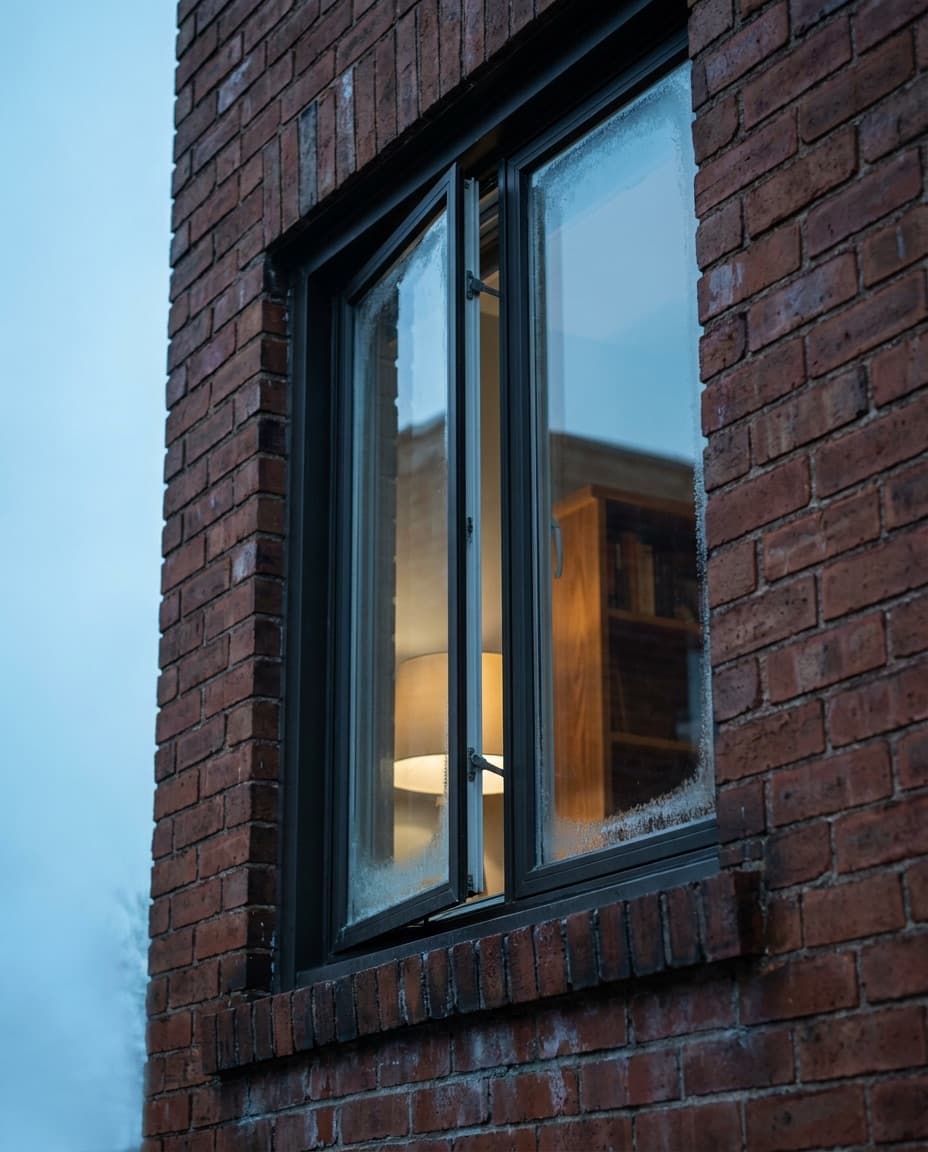
Toronto swings from minus 20 in January to plus 30 in July, and your patio door is the biggest piece of glass in the room. Get the glass right and the room changes character. No cold zone by the door in winter. No frost creeping up the glass. Less street noise. A furnace that runs less because the biggest opening in the wall finally holds heat.
Here is what to look for on the quote:
Double or triple pane sealed units.
Double pane with upgrades handles most Toronto homes. Triple pane adds comfort and quiet, and makes the most sense on north-facing or windy exposures.
Low-E coatings.
Invisible metallic layers that keep winter heat inside and summer heat outside.
Argon gas fill.
An insulating gas between the panes that slows heat loss.
Warm-edge spacers.
They reduce condensation at the glass edges, which is where frost starts.
Energy Star certification.
Confirms the whole door, frame and glass together, meets the efficiency bar for our climate zone.
The same features drive energy efficient windows, so if you are planning a bigger project, it pays to spec the doors and the replacement windows together as one package.
More than clear or nothing
Glass and Light Options
Big glass is the whole point of a patio door, and you have more choices than clear or nothing.
If your current door came with the house and its glass is original, the upgrade in clarity alone surprises people. Twenty years of micro-scratches and seal haze disappear in an afternoon.
Clear glass for the full view. Tempered safety glass is standard in patio doors by code.
Frosted or textured glass where you want light without the sightline, like a door facing a neighbour's deck.
Blinds between the glass. Sealed inside the unit, so they never collect dust and no cord dangles. Popular with pet owners and anyone tired of wrestling vertical blinds.
Laminated glass for extra security and noise reduction on busy streets.
Tinted glass to cut glare on hard west-facing exposures.
What you touch every day
Handles, Locks, Rollers, and Screens
The hardware is what you actually touch every day, so it deserves a minute of thought.
Handles
Handles come in a range of styles and finishes, from basic white to matte black and brushed nickel. Pick something that matches the rest of the room's hardware, because you will see it constantly.
Locks
Locks matter more on a patio door than almost anywhere else, since back doors draw more break-in attempts than front doors. A multi-point lock grabs the frame at two or three spots instead of one, which resists prying far better than the single latch on older sliders. Foot bolts and security pins add cheap extra resistance.
Rollers
Rollers decide whether the door glides or grinds. Look for tandem rollers, steel or reinforced nylon, with easy adjustment screws. This is the part that separates a door that slides smoothly in year 15 from one you shove.
Screens
Screens on quality doors run on their own track with heavy-duty rollers. If you have dogs or kids, ask about reinforced pet screen mesh. It costs little and saves the annual screen repair ritual.
Start to finish
What Installation Day Looks Like
Knowing the process removes most of the worry, so here it is start to finish.
And yes, winter installation works fine. The opening is exposed for a short window, crews work fast and tent the opening when needed, and winter schedules are often shorter. You do not need to wait for spring to stop heating the backyard.
First comes the measure visit. The installer confirms the exact opening size, checks the condition of the frame and sill, and finalizes the quote. Patio doors are built to order for your opening, so manufacturing usually takes 2 to 6 weeks depending on the season and options.
On install day, the crew removes the old door and frame components, checks the opening for square and for hidden damage, and sets the new unit. They level and shim it so the panel glides true, insulate the gap with low-expansion foam, then seal and flash the exterior so water sheds away from the house. Interior trim and exterior capping finish the look. The crew adjusts the rollers and lock, walks you through the hardware, and hauls away the old door.
A straightforward same-size swap takes about 3 to 5 hours. A full-frame replacement or any structural change can run 1 to 2 days.
Retrofit
A retrofit installation slides a new door into your existing frame. It is faster and cheaper, and it works well when the old frame is straight, dry, and solid.
Full-frame
A full-frame replacement strips the opening back to the studs and rebuilds with a new frame. It costs more, and it is the right call when there is rot, warping, water damage, or a frame that was never square to begin with. It also gives the best long-term air seal because the crew insulates the entire rough opening.
An honest installer inspects before recommending. If someone pushes full-frame without looking, or promises a retrofit over a frame that flexes when you press it, keep shopping. This is exactly the judgment call we expect from every crew that installs a Drafty project: made in your interest, not theirs.
Money back and monthly plans
Rebates and Financing
Rebates
Energy rebate programs in Ontario change often, open and close, and adjust their rules. Programs have covered Energy Star certified doors and windows in the past, and Ontario’s Home Renovation Savings program has offered money back on qualifying efficiency upgrades. The honest advice: ask each installer what is live right now for your address before you sign, and get the rebate paperwork commitment in writing. A current, valid rebate can take a real bite out of the price. A promised one that expired last quarter cannot.
Financing
Financing is widely available. Many door installation companies in the GTA offer monthly payment plans, and some run zero-interest promotional periods. If cash flow is the blocker, ask for the financed total in writing next to the cash price, so you can compare the true cost of each path.
The honest comparison
Why Homeowners Start Here Instead of Calling Around
Search for patio door replacement Toronto and you get three ad blocks, a map pack, and twenty sites that all say the same thing. Calling five companies means five sales visits, five follow-up call campaigns, and at least one “this price is only good today” speech at your kitchen table.
Drafty cuts that down to size. You describe the job once, and you get a real written quote without becoming a lead in ten separate sales databases. Every window contractor and door company that installs with us was checked for licensing, insurance, and genuine local installation work before pricing a single project, and crews keep installing with us by treating homeowners well.
You still hold all the power. Compare the quote against any other. Take your time. If anything about a quote feels off, tell us. Our job is simple: you never hand a hole in your wall to the wrong crew.
Service areas
Service Areas Across Toronto and the GTA
We cover the City of Toronto, including North York, East York, York, and the downtown core, plus the surrounding GTA. Some areas we serve have dedicated pages with local details:
Townhouse and condo owners: many buildings require board approval before you change an exterior door. Our crews are used to that paperwork, so mention your building type on the form and it gets handled early instead of on install day.

Representative imagery
One crew, one project
Replacing Windows or an Entry Door Too?
If your patio door is 20 years old, the windows around it usually are as well. Bundling window replacement with your patio door project almost always lowers the per-opening price: one measure visit, one crew mobilization, one disposal run, and volume pricing on the manufacturing order. Whole-home window and door replacement projects get the sharpest pricing of all.
See our window installation in Toronto page for what a window installation project involves and costs. Swapping the front door as well? Our door installation in Toronto page covers entry door replacement, materials, and pricing.
FAQ
Patio Door Replacement FAQ
Straight answers on cost, labour, permits, and timelines for patio door replacement in Toronto.
How much does it cost to install a patio door in Toronto?
How much should it cost to replace patio doors?
What is the average labor cost to replace a patio door?
What is the average price of a patio door?
What is the average cost of a new patio door?
How long does patio door replacement take?
Can I just replace the glass instead of the whole door?
Do I need a permit to replace a patio door in Toronto?
Where can I find cheap patio door replacement in Toronto?
Can a patio door be installed in winter?
Get started
Get Your Patio Door Quote
You have read enough to know whether your door’s time is up. The next step takes 2 minutes: request your free quote, tell us about your opening, and our team will contact you shortly with pricing for your exact door.
No obligation, no pressure, and no more heaving that old slider through one more winter.
Free, no obligation
Get your free patio door quote
Tell us about your project and our team will follow up with pricing.
Drafty works with licensed, insured local installation crews. Every installation is completed by an independent local crew carrying $2M liability insurance and WSIB coverage.